

The Instagram Tax: Are We Visiting Places Just to Prove We Were There?
Travel has always been about discovery, relaxation, and connection. However, in the age of social media, especially Instagram, the way people travel has quietly but significantly changed. Destinations are no longer chosen only for their culture, history, or personal meaning. Increasingly, they are selected for how good they look on a screen. Cafés with aesthetic walls, viewpoints with perfect frames, and stays designed for visual appeal often take priority over deeper experiences.
This unspoken pressure to capture and share has given rise to what many now call the “Instagram Tax”, the emotional, financial, and experiential cost of traveling primarily to prove we were somewhere. As travel evolves, thoughtful hospitality brands like EbonyStays are encouraging travelers to shift focus from performance-based travel to experience-driven journeys rooted in authenticity.
Understanding the Instagram Tax
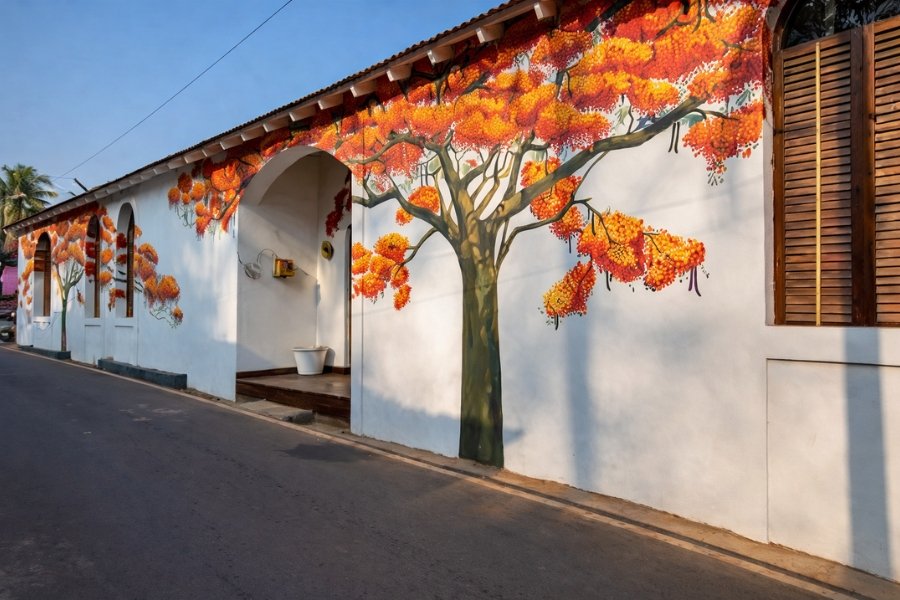
The Instagram Tax is not just about money. It is a combination of higher costs, diluted experiences, and emotional pressure tied to social validation. Travelers pay more for locations, experiences, and stays that are popular online, often without receiving deeper satisfaction in return. Waters Edge, Goa
The Pressure to Be Seen
Social media has turned travel into a visual statement. Posting photos from trending destinations signals lifestyle, status, and taste. Over time, this creates pressure to visit places not because they resonate personally, but because they are socially approved. The trip becomes less about enjoyment and more about documentation.
This pressure affects decision-making at every stage, from choosing destinations to selecting accommodation and planning activities. Experiences are judged by how shareable they are, not by how meaningful they feel.
How Popularity Inflates Value
Once a place becomes Instagram-famous, prices often rise quickly. Cafés, viewpoints, hotels, and even basic experiences become premium simply because they are trending. Travelers pay more for access, shorter time slots, and curated visuals, sometimes at the expense of comfort or authenticity.
This inflation rarely improves the core experience. Instead, it often leads to overcrowding, rushed visits, and reduced emotional fulfillment.
Traveling for the Camera vs Traveling for Yourself

The difference between camera-first travel and experience-first travel is subtle but important. One prioritizes external approval, while the other prioritizes internal satisfaction. Petite Paradise Carat 3, Lonavala
The Performative Travel Cycle
Performative travel focuses on appearances. Travelers spend more time framing shots, waiting for crowds to clear, and repeating popular poses than actually absorbing the place. Moments become staged, and spontaneity decreases.
This cycle can leave travelers feeling strangely disconnected, even while visiting beautiful locations. The joy of presence is replaced by the anxiety of capture and comparison.
Losing the Sense of Discovery
When destinations are experienced through pre-seen images, the element of surprise disappears. Travelers already know what the landmark looks like, where to stand, and how the photo should turn out. Discovery turns into replication.
This reduces curiosity and dulls emotional response, turning travel into a checklist rather than a journey.
Impact on Destinations and Local Communities
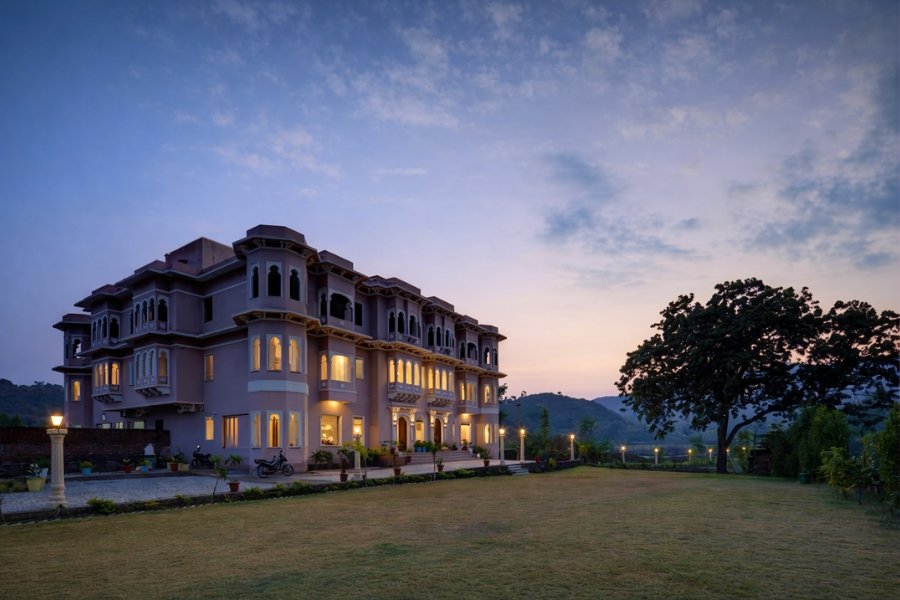
The Instagram Tax affects not just travelers, but also destinations and the people who live there. Sattvaara Villa, Udaipur
Overcrowding and Environmental Stress
Increased footfall at specific “Instagram spots” puts pressure on natural and cultural sites. Local infrastructure struggles to keep up, leading to environmental damage, waste problems, and loss of serenity.
Often, only small pockets of a destination receive attention, while equally rich but less photographed areas are ignored.
Cultural Simplification
When destinations are presented through a narrow visual lens, culture is often oversimplified. Traditions, food, and daily life are reduced to aesthetic elements rather than lived experiences.
This can distort local identity and push communities to perform culture for visitors instead of preserving it naturally.
Rethinking What Makes Travel Valuable

As awareness grows, many travelers are beginning to question the real value of their trips. Value is shifting from visual proof to emotional return. Waterville 2, Nashik
Experiences Over Evidence
The most meaningful travel moments are rarely the most photographed ones. Quiet mornings, unexpected conversations, local meals, and unplanned discoveries often leave the deepest impressions.
These moments may never appear online, but they shape how travelers remember a place.
Presence as the New Luxury
Being fully present, without constant digital mediation, is becoming a luxury. Slower travel, longer stays, and mindful exploration allow travelers to form genuine connections with their surroundings.
This approach reduces stress and increases emotional fulfillment, making travel restorative rather than exhausting.
Role of Thoughtful Stays in Countering the Instagram Tax
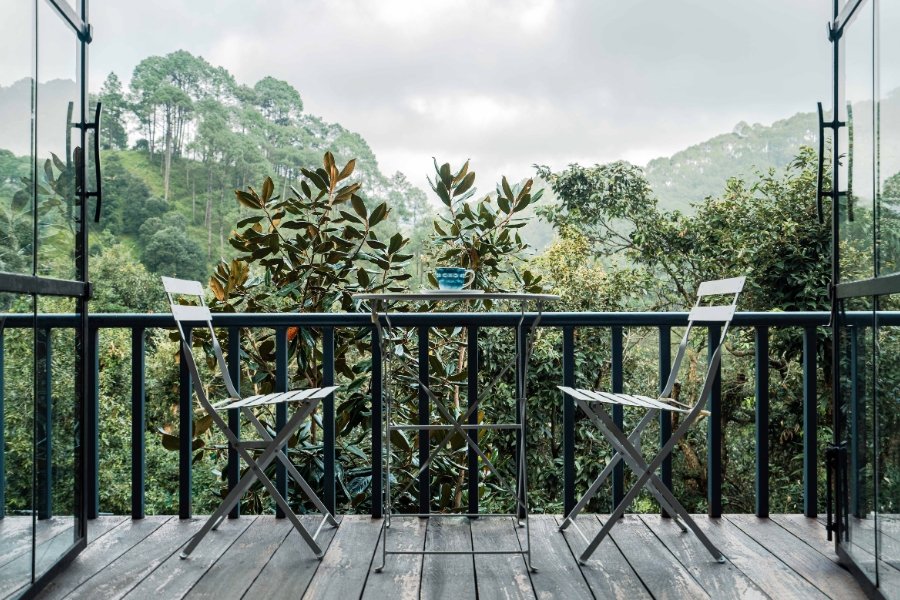
Accommodation plays a powerful role in shaping travel behavior. Stays that prioritize depth over display naturally encourage more meaningful experiences. Bhimtal
Designing for Comfort, Not Just Aesthetics
While visually pleasing spaces are enjoyable, truly memorable stays go further. They offer warmth, silence, and a sense of belonging. When a space feels comfortable rather than performative, guests relax and engage more deeply with their environment.
Thoughtful villas, homestays, and heritage properties create room for reflection, not just photography.
Encouraging Local Engagement
Stays that are rooted in their destination encourage guests to explore beyond popular spots. Local recommendations, cultural context, and community connection guide travelers toward experiences that feel real rather than rehearsed.
This shift reduces reliance on trending itineraries and opens the door to genuine discovery.
Social Media’s Role: Tool or Trap?

Social media itself is not the enemy. The problem lies in how it is used and prioritized. Alibaug
Inspiration vs Comparison
Used well, platforms can inspire travel ideas, spread cultural awareness, and support small businesses. Used poorly, they create comparison, insecurity, and unrealistic expectations.
Mindful travelers treat social media as a reference point, not a rulebook.
Choosing Intentional Sharing
Sharing experiences after they are fully lived, rather than during every moment, allows travelers to stay present. Intentional sharing turns social media into storytelling rather than performance.
This approach restores balance between memory-making and memory-sharing.
Moving Toward Experience-Driven Travel
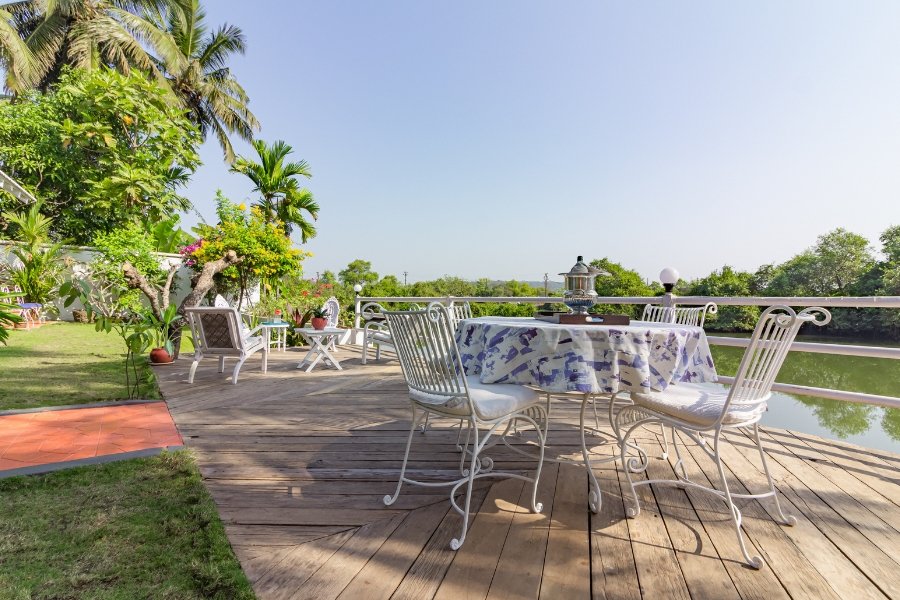
The future of travel is leaning toward authenticity, responsibility, and emotional richness. Whispering Vale, Igatpuri
Slower, Deeper Journeys
Travelers are increasingly choosing fewer destinations with longer stays. This allows time to observe daily life, understand local rhythms, and build meaningful connections.
Such journeys leave lasting impressions that no single post can capture.
Supporting Meaningful Hospitality
Brands that emphasize experience, sustainability, and cultural respect help travelers break free from the Instagram Tax. By designing stays around how guests feel rather than how spaces photograph, they reshape expectations.
EbonyStays, for example, curates villas, homestays, and heritage properties that focus on emotional comfort, local identity, and genuine hospitality. These environments naturally encourage guests to live the moment rather than stage it.
Conclusion
The Instagram Tax is a quiet but powerful force shaping modern travel. While social media has expanded access and inspiration, it has also introduced pressure to perform and prove experiences publicly. As travelers become more aware of this cost, many are choosing depth over display and presence over proof. True travel value lies not in showing where we have been, but in how those places made us feel. By choosing stays and experiences that prioritize authenticity, comfort, and cultural connection, travelers can reclaim the joy of travel, not as content, but as memory.
FAQs
1. What does the term “Instagram Tax” mean in travel?
The Instagram Tax refers to the emotional and financial cost travelers pay when they choose destinations mainly for social media visibility rather than personal interest or meaningful experience.
2. Is social media ruining travel experiences?
Social media itself is not harmful, but over-prioritizing shareability can reduce presence, authenticity, and emotional satisfaction during travel.
3. How can travelers avoid performative travel?
Travelers can focus on slower journeys, limit phone usage, explore beyond popular spots, and choose accommodations that encourage comfort and connection rather than constant display.
4. Are Instagram-famous destinations still worth visiting?
Yes, but they are more rewarding when approached with intention. Experiencing them beyond photo opportunities leads to deeper appreciation and understanding.
5. How do premium homestays and villas help reduce the Instagram Tax?
They create environments focused on emotional comfort, authenticity, and local engagement. This naturally shifts attention away from constant documentation toward meaningful living and exploration.
